LOOK UP LOOK UNDER

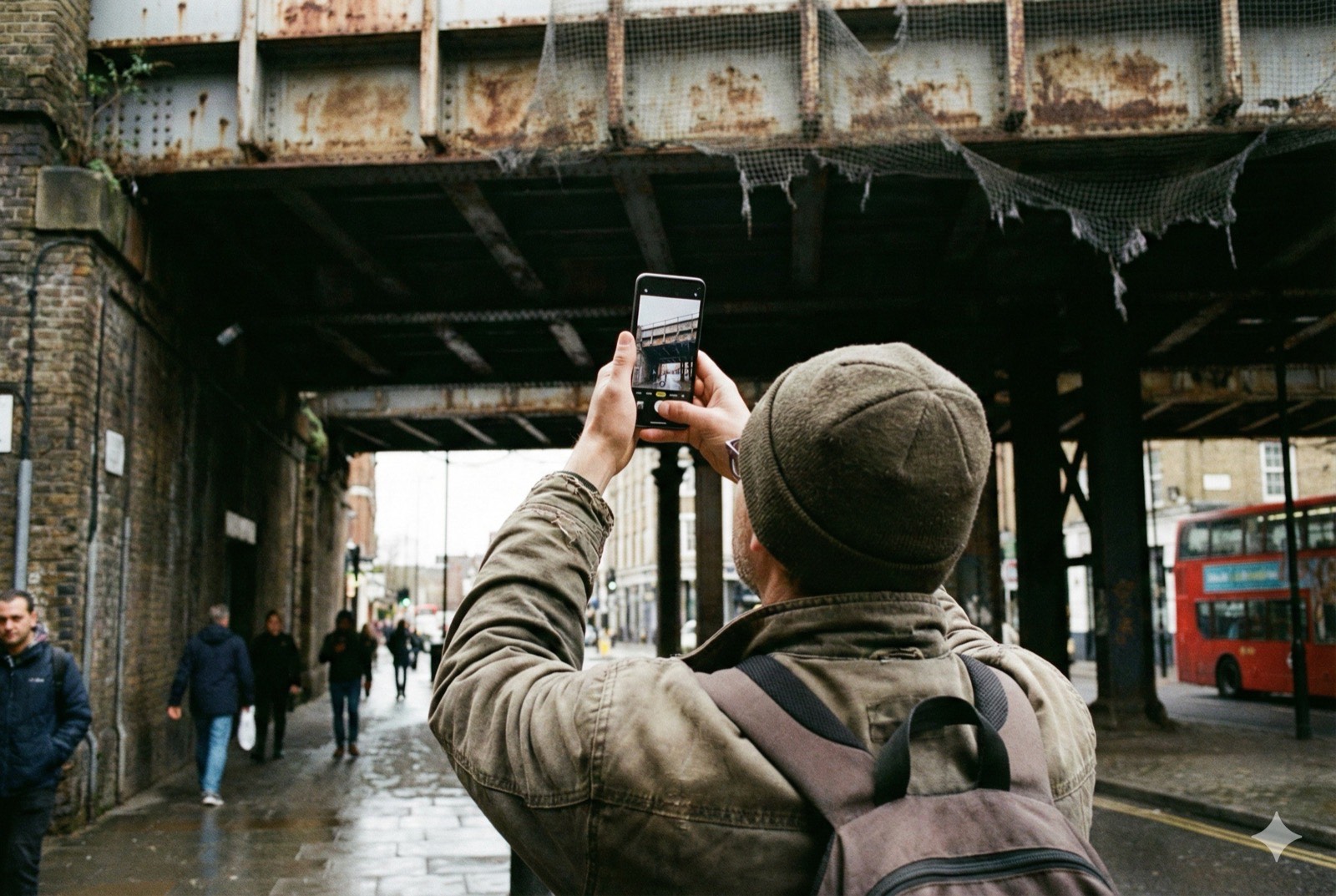
Birds can become trapped in damaged netting under bridges.
A moment of awareness can make a difference.

THE PROBLEM

Bird netting under bridges is meant to control pigeons humanely. But when it's damaged, poorly installed, or unmaintained, it becomes a trap. Birds get tangled, can't escape, and suffer.

This happens more often than most people realise. Pigeons, starlings, and other urban birds can become entangled and unable to free themselves.

By being aware of this issue, you can help by simply paying attention when walking under bridges.

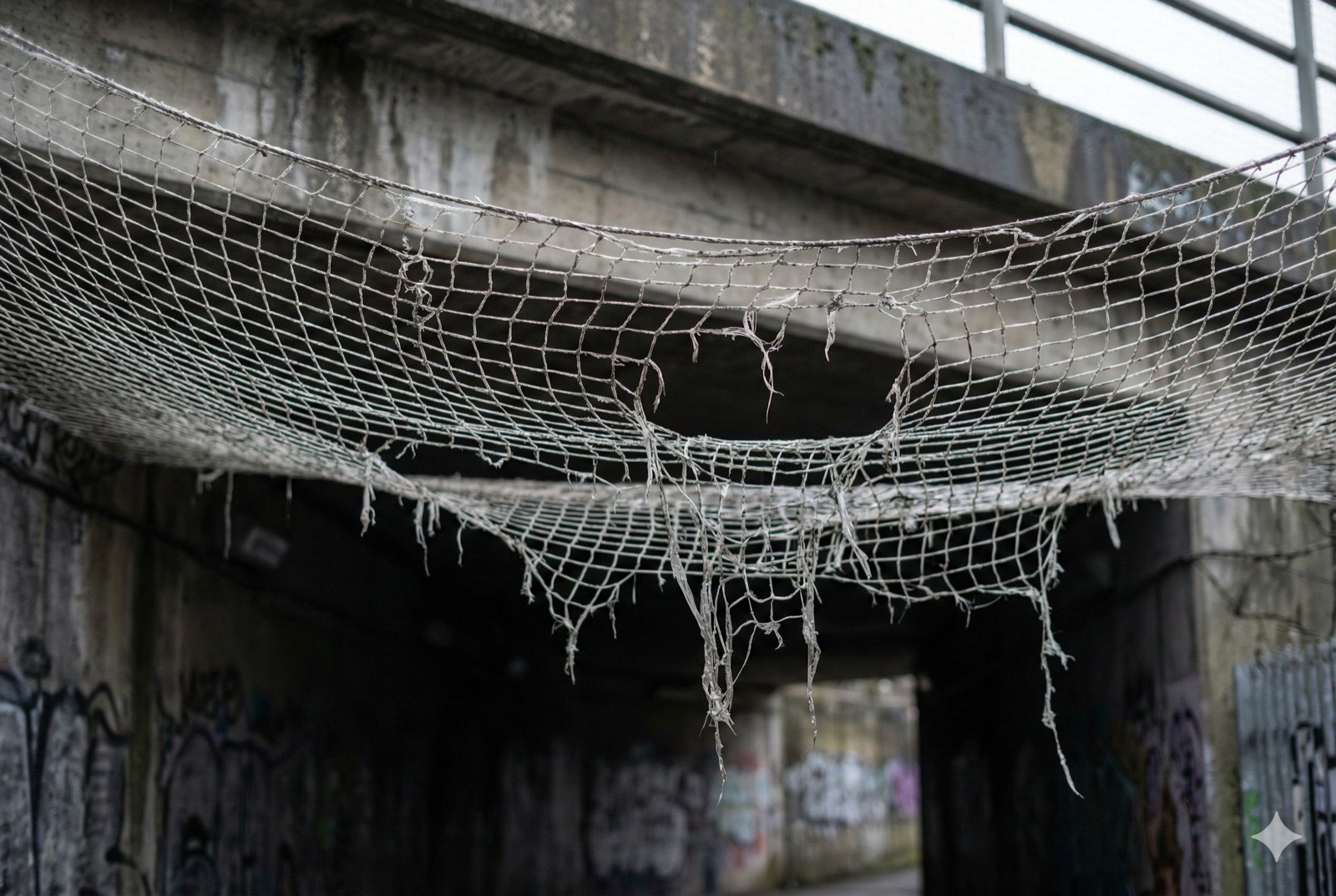
Damaged and torn bird netting hanging loosely under a bridge, showing the type of hazard that can trap birds

Damaged netting becomes a deadly trap for birds

DOCUMENTED INCIDENTS

Verified reports from news sources, rescue services, and official bodies

Thousands of birds affected each year across the UK
20+ Verified incidents in this research
2 Countries with documented cases
June 2025 Urgent Response

New Southgate Bridge

Enfield, North London

Dozens of nesting pigeons became trapped inside netting installed under a railway bridge over North Circular Road. Nesting birds and young were affected. Residents organised a protest that halted further work.

Outcome: Network Rail issued an apology. London Wildlife Protection initiated legal proceedings.
View Source
February 2025 Multiple Birds Affected

Shenfield Railway Bridge

Brentwood, Essex

Birds found trapped and injured in poorly maintained temporary netting. RSPCA documented welfare concerns. A petition was launched calling for Network Rail to properly enclose the bridge.

Outcome: RSPCA noted Animal Welfare Act concerns. Petition gathered public support.
View Source
December 2024 Rescue Required

Grimsby Town Centre

North East Lincolnshire

A large rescue operation after Cleethorpes Wildlife Rescue received approximately 50 reports about a seagull trapped in loose netting. Fire services used a ladder to reach and free the bird.

Outcome: Fire service and wildlife rescue successfully freed the bird.
View Source
March 2024 Rescue Case

Scarborough High Street

North Yorkshire

A seagull became completely entangled in netting on a fourth-floor building. North Yorkshire Fire & Rescue had to close the street to conduct the rescue operation.

Outcome: RSPCA issued a warning about dangers of improperly installed netting.
View Source
September 2023 Multiple Birds Affected

Chanterlands Avenue Railway Bridge

Hull, Yorkshire

Councillors reported birds trapped in netting that had deteriorated. The bridge gained a local nickname due to ongoing problems. Network Rail acknowledged the netting was tearing.

Outcome: Network Rail acknowledged the issue. Spikes also proved ineffective.
View Source
July 2023 Emergency Case

Reform Street

Dundee, Scotland

A trapped seagull forced the closure of a main city centre street. Scottish Fire and Rescue deployed a hydraulic platform to free the bird from netting above the shops.

Outcome: Street closed for rescue. Bird freed by fire service.
View Source
June 2023 Urgent Response

M60 Bridge, Manchester Road

Wardley, Greater Manchester

RSPCA inspector found multiple birds trapped in damaged netting, with several live pigeons unable to escape. The netting had gaps allowing birds in but preventing exit.

Outcome: National Highways promised urgent inspection and repair.
View Source
April 2022 Rescue Required

Barclays Bank Building

South Shields, Tyne and Wear

A seagull was trapped for hours in damaged netting on the bank building. RSPCA noted this is a recurring problem across South Shields, Sunderland and Newcastle.

Outcome: RSPCA issued regional warning about netting hazards.
View Source
March 2021 Multiple Birds Affected

Viersen Platz

Peterborough, Cambridgeshire

RSPCA intervened twice at the same location to rescue trapped pigeons. In 2019, RSPCA received approximately 2,000 reports of birds trapped in netting across the UK.

Outcome: Repeat rescues highlighted systemic maintenance issues.
View Source
February 2019 Rescue Case

The Broadway

Woodford Green, London

London Fire Brigade freed a pigeon trapped in netting above a shop. The bird had an injured leg and was in significant distress. The rescue took 20 minutes.

Outcome: London Wildlife Protection took the bird for rehabilitation.
View Source

Similar Issues in Europe

(demonstrating this is a widespread problem)

May 2025 Poland

Rokitniańska Street Building

Przemyśl, Poland

Pigeons and jackdaws became trapped behind netting during building work. Only after strong reaction from residents and officials were the birds given a way out.

Outcome: Property management cited "worker unawareness". Birds eventually freed.
View Source
May 2025 Poland

Solidarity Viaduct

Gniezno, Poland

Residents reported pigeons with young trapped under safety netting on a viaduct. Adult birds were seen feeding their young through the mesh as the birds had grown too large to escape.

Outcome: Local media documented the ongoing situation.
View Source

Awareness Leads to Action

When people notice and report damaged netting, authorities can respond. Your awareness helps protect urban wildlife.

HOW YOU CAN HELP

Four simple steps to make a difference

1

LOOK UP

When walking under a bridge, take 5 seconds to look up and check for damaged netting

2

NOTICE THE SIGNS

Look for:

  • Torn netting
  • Loose mesh
  • Gaps in installation
  • Birds trapped or unable to escape
3

DOCUMENT

If it's safe to do so:

  • Take a photo
  • Note the exact bridge location
  • Record the date and time
4

SPREAD AWARENESS

Share information about this issue with friends, family, and your community

WHAT TO LOOK FOR

Learn to recognise the difference between safe and dangerous netting

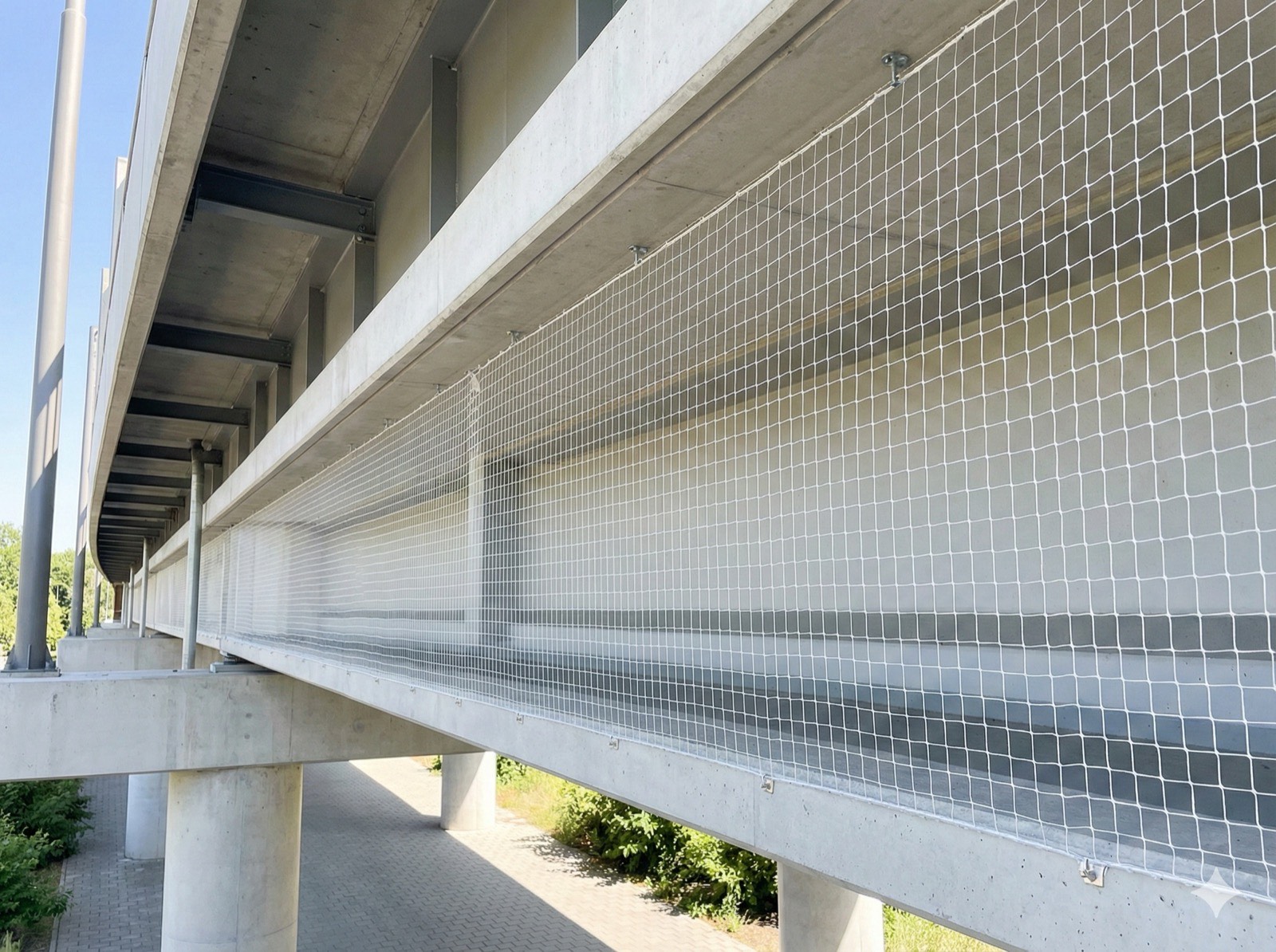
Properly installed bird netting that is tight, secure and well-maintained SAFE

Properly Maintained Netting

  • Tight and secure installation
  • No visible gaps or tears
  • Birds cannot enter or get trapped
  • Regular maintenance evident
Damaged and torn bird netting with large gaps that can trap birds DANGEROUS

Damaged Netting

  • Torn, sagging or loose sections
  • Visible gaps and holes
  • Birds can enter but may not escape
  • Neglected maintenance

WHO'S RESPONSIBLE FOR LONDON'S BRIDGES?

Different organisations manage different bridges across London

Transport for London (TfL)

Manages most major road bridges across the Thames

Waterloo Bridge Westminster Bridge Lambeth Bridge Vauxhall Bridge

Network Rail

Responsible for all railway bridges

Blackfriars Railway Bridge Cannon Street Railway Bridge

City of London Corporation

(City Bridge Foundation)

Manages 5 historic bridges

London Bridge Blackfriars Bridge Southwark Bridge Millennium Bridge Tower Bridge

Local Borough Councils

Manage smaller local bridges and footbridges within their areas

Greenwich Council Wandsworth Council Richmond Council

Some footbridges are also owned by private companies or developers.

FREQUENTLY ASKED QUESTIONS

No. Properly installed and maintained netting is legal and humane. The problem occurs when netting is damaged, poorly installed, or left unmaintained. Well-maintained netting effectively manages bird populations without harming them.

No. Do not attempt to remove netting or rescue birds yourself. It can be dangerous for both you and the bird. Damaged netting may be unstable, and trapped birds can panic and injure themselves further. Professional wildlife rescuers have the proper equipment and training.

All wild birds in the UK are protected by law under the Wildlife and Countryside Act 1981. When birds become trapped in poorly maintained netting, they can suffer for days. Raising awareness helps ensure these issues get noticed and addressed.

Share this website with friends and family. Talk about the issue with people you know. The more people who know to look up when walking under bridges, the more likely these problems will be noticed.

SPREAD THE WORD

Help others learn about this issue

The more people who know to look up when walking under bridges, the more likely these problems will be noticed and addressed. Share this website with friends and family to help raise awareness about urban wildlife hazards.

Awareness is the first step toward change.